Ledger Login: A Complete Guide to Secure Access and Management of Your Crypto Assets
In the rapidly evolving world of cryptocurrency, security is not optional—it is essential. With increasing cyber threats, phishing attacks, and exchange hacks, crypto holders are prioritizing secure storage solutions more than ever. One of the most trusted names in crypto security is Ledger, a company known for its hardware wallets and robust security infrastructure.
At the heart of Ledger’s ecosystem lies the Ledger Login process, which allows users to securely access, manage, and protect their digital assets. This guide provides a detailed overview of Ledger Login, its importance, step-by-step instructions, troubleshooting tips, and best security practices.
What Is Ledger Login?
Ledger Login refers to the authentication process that allows users to securely access Ledger services, including Ledger Live, decentralized applications (dApps), and third-party platforms. Unlike traditional logins that rely on usernames and passwords, Ledger Login uses cryptographic authentication through a hardware wallet.
This means your private keys never leave your device, making Ledger Login one of the most secure access methods in the crypto industry.
Why Ledger Login Is Important
Security is the backbone of cryptocurrency ownership. Ledger Login plays a vital role in ensuring that your funds remain safe and under your control.
Key Benefits of Ledger Login
Eliminates password-based vulnerabilities
Protects private keys from online exposure
Enables secure authentication for dApps
Reduces risk of phishing and malware attacks
Gives users full control over their crypto assets
By requiring physical confirmation through a Ledger device, unauthorized access becomes nearly impossible.
Understanding Ledger Devices and Login Compatibility
Ledger Login works seamlessly with Ledger hardware wallets, including:
Ledger Nano S
Ledger Nano S Plus
Ledger Nano X
Each device supports Ledger Login through Ledger Live, the official companion app available for desktop and mobile platforms.
How Ledger Login Works
Unlike conventional login systems, Ledger Login uses public-private key cryptography. Here’s how it functions:
Your Ledger device stores your private keys securely offline
When you initiate a login, a cryptographic challenge is generated
The Ledger device signs the challenge internally
The signed response verifies your identity without revealing private data
This ensures maximum security while maintaining ease of access.
Step-by-Step Guide to Ledger Login Using Ledger Live
Step 1: Download and Install Ledger Live
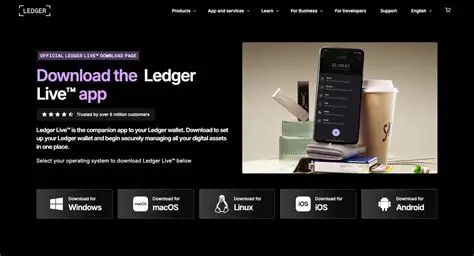
Visit the official Ledger website and download Ledger Live for your operating system (Windows, macOS, Linux, Android, or iOS).
Step 2: Connect Your Ledger Device
Use a USB cable or Bluetooth (for Ledger Nano X) to connect your device to your computer or smartphone.
Step 3: Enter Your PIN
Unlock your Ledger device by entering your PIN code. This step ensures only authorized users can initiate Ledger Login.
Step 4: Open the Required App
Navigate to the appropriate app on your Ledger device (such as Ethereum or Bitcoin) depending on the platform you’re logging into.
Step 5: Approve the Login Request
Confirm the login request on your Ledger device by physically pressing the buttons.
Once approved, you are securely logged in.
Ledger Login for dApps and Web3 Platforms
Ledger Login extends beyond Ledger Live. It allows users to authenticate on Web3 platforms, including decentralized finance (DeFi) apps, NFT marketplaces, and blockchain-based services.
Popular Use Cases
Connecting Ledger to MetaMask
Logging into DeFi platforms
Approving smart contract interactions
Accessing NFT marketplaces securely
Ledger Login ensures your private keys remain offline even while interacting with online applications.
How to Use Ledger Login with MetaMask
MetaMask is one of the most popular wallets for Web3 interaction. Ledger Login integrates seamlessly with it.
Steps to Connect Ledger with MetaMask
Install MetaMask browser extension
Choose “Connect Hardware Wallet”
Select Ledger
Connect and unlock your Ledger device
Confirm connection
After setup, all transactions and logins require physical confirmation via your Ledger device.
Security Advantages of Ledger Login
Ledger Login offers superior security compared to traditional login systems.
Offline Key Storage
Your private keys never touch the internet.
Physical Verification
Every login requires manual confirmation on the device.
Tamper-Resistant Hardware
Ledger devices use certified secure elements.
Protection Against Phishing
Fake websites cannot access your keys without device approval.
Common Ledger Login Issues and Solutions
Even with robust technology, users may encounter occasional issues.
Device Not Detected
Check USB cable or Bluetooth connection
Restart Ledger Live
Update device firmware
Incorrect PIN
Ensure correct PIN entry
Remember that multiple incorrect attempts may reset the device
Ledger Live Not Syncing
Update Ledger Live
Check internet connection
Clear cache in Ledger Live settings
Ledger Login Best Practices
To maximize security, follow these essential best practices.
Keep Your Recovery Phrase Offline
Never store your 24-word recovery phrase digitally.
Verify URLs
Always ensure you are using official Ledger websites and apps.
Update Firmware Regularly
Firmware updates improve security and compatibility.
Avoid Public Computers
Only use trusted devices for Ledger Login.
Ledger Login and Privacy
Ledger Login does not collect personal data. Authentication is handled cryptographically, ensuring:
No usernames or passwords
No centralized user database
Full user anonymity
This decentralized authentication aligns with the core principles of blockchain technology.
Ledger Login vs Traditional Login Systems
FeatureLedger LoginTraditional LoginPassword RequiredNoYesPrivate Key ExposureNeverOftenPhishing ProtectionHighLowOffline SecurityYesNo
Ledger Login clearly stands out as the safer alternative.
Recovering Access After a Lost Device
If your Ledger device is lost or damaged, Ledger Login access can be restored using your 24-word recovery phrase on a new Ledger device.
Recovery Steps
Purchase a new Ledger device
Choose “Restore from recovery phrase”
Enter the 24 words in correct order
Set a new PIN
Your assets and login access will be fully restored.
Ledger Login for Businesses and Developers
Ledger Login is not limited to individuals. Businesses and developers use it for:
Secure enterprise authentication
Blockchain-based identity verification
Access control for decentralized systems
Its flexibility makes it ideal for both personal and professional use.
Future of Ledger Login
As blockchain adoption grows, Ledger Login is expected to play a major role in:
Passwordless authentication
Decentralized identity solutions
Secure Web3 access
Institutional crypto custody
Ledger continues to innovate, ensuring users stay ahead of security threats.
Frequently Asked Questions About Ledger Login
Is Ledger Login free?
Yes, Ledger Login is included with Ledger devices and Ledger Live.
Can I use Ledger Login on mobile?
Yes, Ledger Live mobile supports Ledger Login.
Is Ledger Login safe for beginners?
Absolutely. It is designed to be secure and user-friendly.
Final Thoughts on Ledger Login
Ledger Login represents the future of secure digital authentication. By combining hardware-level security with user-friendly interfaces, it offers unmatched protection for crypto assets. Whether you are a beginner or an experienced investor, using Ledger Login significantly reduces the risk of theft, hacking, and unauthorized access.
As cryptocurrencies continue to reshape the financial landscape, adopting a secure login method like Ledger Login is not just recommended—it is essential.